
independent fine-tuning lab
Models that talk like people, not help desks.
We fine-tune models for character apps, AI companions, and voice agents. Your reviewers approve the replies, we train an adapter on them, and we test it against your best prompt before you ship anything.
- 29,721Hugging Face downloads, last 30 days
- 27Bopen-weight model, Apache-2.0
- 4–6 wktypical Custom Model Sprint
 Qwen 3.8 27B Humanlike Chat
- hey. you still up
- yeah. couldn’t sleep either
- that anime in general. you watching it
- the new one? yeah. I’m on episode 4
- no spoilers. is it actually good or just loud
- it’s good. quieter than the clips make it look
- ok I’ll start it after work. you watch as it drops
- usually the night it goes up. not always on time
156 characters · 1 question
 Qwen 3.8 27B base
- hey. you still up
- Yes!! Still here. I was going to sleep and then I just... didn’t. How late is it for you?
- that anime in general. you watching it
- Yeah I’m watching it! The one people keep posting clips of in general. I’m caught up through episode 4. Are you on it too or still deciding?
- no spoilers. is it actually good or just loud
- It’s actually good. The clips in general make it look like it’s all shouting, but the show itself sits still a lot. I wouldn’t call it filler-loud. If you like character stuff more than fights, you’ll be fine. No spoilers, promise.
- ok I’ll start it after work. you watch as it drops
- Same night if I can, yeah. Sometimes I wait until it’s quiet and then watch. After work is a good time to start, you’re not behind yet. If general starts spoiling, mute that channel until you’re caught up.
665 characters · 2 questions
We work on character apps, AI companions, voice agents, game NPCs, and customer support.
case study · apache-2.0
What fine‑tuning changed in Humanlike Chat.
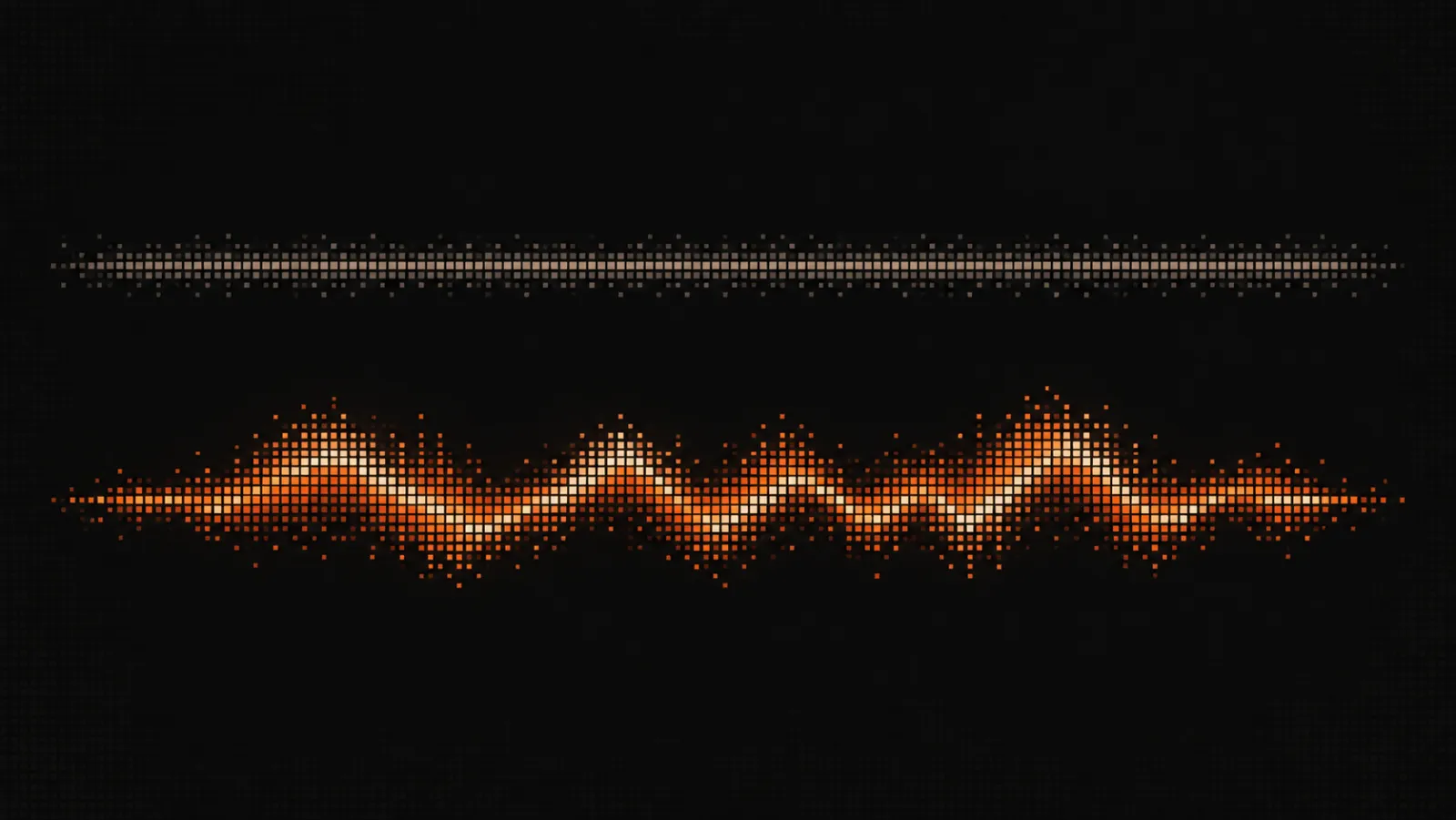
Our free 27B model, trained on 139,845 real messages to reply like a person. Over 29 replayed turns without a system prompt, the base model gave long replies full of questions. Humanlike Chat kept them short.
Median reply length · 29 turns
273
Replies with a question, of 29
60
Replies formatted as lists
What r/LocalLLaMA said at launch
Verbatim, linked to each comment in the launch thread. Community reactions, not customer testimonials.
-
this is the bit most local models still miss imo. the raw intelligence can be there but the constant “as an ai…” framing makes every answer feel like a helpdesk ticket.
u/Morning_Gecko24 r/LocalLLaMA -
Five points of IFEval for never opening with "Certainly! Here's..." seems like a trade I'd make every time.
u/derspenti r/LocalLLaMA -
can you host this somewhere? I'd pay API pricing for this :D
u/lakimens r/LocalLLaMA
Download count from the Hugging Face snapshot, 22 September 2026. It counts downloads, not people, and doesn't measure results for customers.
who we train for
For products where the conversation is the product.
Stay in character, give shorter answers, or stop sounding like a help desk. We start with examples of the replies you want and the mistakes you want to fix.
-
Character & companion apps
Keep the same personality through a long conversation instead of slipping back into assistant mode.
-
Voice agents
Answers short enough to say aloud. We test response time and whether the caller's task gets done.
-
Game NPCs
Stay in the scene and leave room for the player to respond.
-
Customer support
Your team's tone, while still checking facts, following policy, and handing off to a person when needed.

how we work
The training run is only part of the work.
We choose the training examples with your team, agree what a good reply looks like, and compare the trained model with your best prompt. We also test the tasks it still has to do well, so a better tone doesn't hide a drop in accuracy.
-
01
Build the training set
Your reviewers approve example replies. We keep a separate set of conversations for testing and never train on it. See how we train.
approved replies + held-out set -
02
Compare prompting and fine-tuning
Test your best prompt first. If it still misses, train an adapter: a small set of weights that changes how the base model replies. Facts that change stay in documents or tools the model can look up.
prompt baseline vs adapter -
03
Test it in your setup
Use the prompts and software you plan to deploy. Check reply quality, accuracy, and new failures. We also offer agent evaluation and voice testing.
report + serving config
Method pages: from production traces, how to build a training set, what a golden dataset is, when not to train, training vs retrieval, speaker models, prompt vs examples.
the offer
Custom Model Sprint
One conversation task, from reviewing your data to a tested adapter you can run. We agree the work and price after reviewing your examples.
- Typical budget
- $25k–80k
- Timeline
- 4–6 weeks
- You keep
- the weights
-
wk 1
Audit
Review the mistakes, test your current prompt, and agree how we'll judge the result.
-
wk 2–4
Train
Prepare the approved examples and train an adapter for your chosen model, if the review shows it's worth testing.
-
wk 4–6
Evaluate and hand over
Results, known failures, and the settings to run it. We recommend whether to deploy, revise, or keep your current setup.
Before we work together
Do we own the resulting weights?
You receive the adapter and instructions to run it on your own infrastructure or chosen host. We agree ownership and usage rights in the contract. The base model's license still applies. Our public Humanlike Chat model is a separate release under Apache-2.0.
Is this only for character or companion apps?
We mainly work with character apps, AI companions, and voice agents. We also review customer support and other chat systems. We test each project on its own data; results from Humanlike Chat don't tell us how your model will perform.
What can fine-tuning change?
We focus on how the model talks: its tone, reply length, and ability to stay in character and follow the conversation. Facts that change, such as prices or policies, should usually come from documents or tools the model can look up.
Do you always fine-tune?
No. We test your best prompt first. If changing the prompt, looking up better examples, or fixing a tool solves the problem, we recommend that. We recommend an adapter only after testing it on conversations it wasn't trained on.
What data do you need?
A sample of conversations you have permission to use, examples of good replies, and a reviewer who can approve corrections. Remove unnecessary personal details. We agree how to transfer and handle the data before you send it. Plain conversation exports are enough.
How is Humanlike Chat related to our model?
Humanlike Chat is our free model, available on Hugging Face. Paid projects use your data and goals to build and test a separate adapter. The public model's downloads and test results don't predict results for your product.

start here
Which replies do you want to improve?
Bring a few conversations with personal details removed, plus the prompt you use today. We'll discuss what you want to change and whether fine-tuning is the right way to do it.
Book a model review